Turo Insurance in Texas: Complete Guide for Hosts & Renters

Get clarity on how Turo insurance works for peer-to-peer car sharing in Texas. Whether you’re a host or a guest, learn how Turo’s protection plans compare to Texas law, what’s covered, what isn’t, and how to pick the right options for your unique situation. Includes real-world scenarios, coverage tables, and Texas-specific risks.
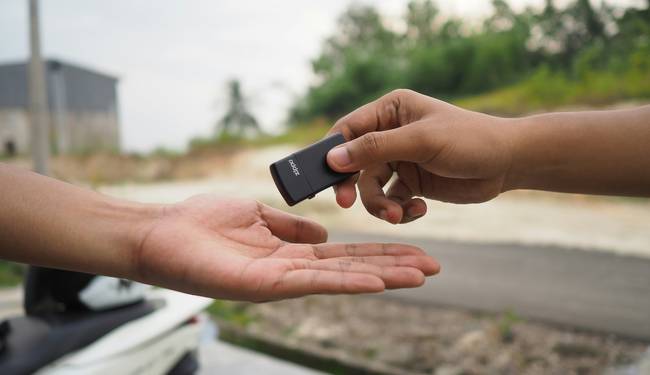
A Turo host handing car keys to a renter in Texas outside a house or parking lot, with insurance documents visible

What Makes Turo Insurance Different in Texas?

Turo is not a traditional car rental company—it’s a peer-to-peer marketplace where everyday Texans list their vehicles for short-term rental. This model means that insurance works differently than with big rental agencies. Texas has its own car insurance requirements for all drivers, and both hosts and renters need to be sure they’re protected before hitting the road.

  • Turo offers several protection plans for hosts and guests, but these do not always match Texas’s minimum legal requirements.
  • Your personal auto policy may or may not provide coverage when using Turo, depending on your insurer and policy language.
  • Hosts and renters risk coverage gaps if they don't understand the difference between Turo's plans and Texas law.
Tip: Texas law requires minimum liability coverage even for car sharing. Always verify if your Turo protection plan meets or exceeds state minimums before listing or booking.

How Turo Insurance Works for Texas Hosts and Renters

Turo offers several protection plans for both hosts (vehicle owners) and guests (renters). Each plan has different coverage limits, deductibles, and costs. Here’s how it generally works:

  • Hosts choose a protection plan when listing their vehicle. The plan determines what Turo pays for damage, theft, and liability claims.
  • Guests select a plan during booking. This affects how much insurance (if any) they have if something goes wrong.
  • Both hosts and guests can decline Turo’s coverage and rely solely on their own insurance—but this is risky and often not recommended, especially in Texas.
Note: Many personal auto policies exclude coverage when your car is rented out or when you rent a car through a peer-to-peer platform. Check your policy or ask your insurer.
Texas Minimum Auto Insurance
All vehicles driven in Texas must have at least:
  • $30,000 Bodily Injury (per person)
  • $60,000 Bodily Injury (per accident)
  • $25,000 Property Damage
See full requirements

Turo Protection Plans vs. Texas State Minimums

Comparison of Turo host and guest plans to Texas legal requirements. Always review the latest Turo plan details and Texas law before booking or listing.
Plan Host Liability to Others Guest Liability Physical Damage Meets Texas Minimum?
Premier (Host) $1M liability, includes Texas minimums Depends on guest plan Full value, low/no deductible Yes
Standard (Host) $750k liability Depends on guest plan Full value, moderate deductible Yes
Minimum (Host) State minimum (30/60/25) Depends on guest plan Full value, high deductible Yes
Decline (Host) None (uses owner’s personal/commercial policy) Depends on guest plan None No*
Guest Premier/Standard Not applicable Up to $1M liability (covers Texas minimum) Physical damage (after deductible) Yes
Guest Minimum Not applicable Texas minimum ($30k/$60k/$25k) Physical damage (large deductible) Yes
Decline (Guest) Not applicable None (uses guest’s personal policy only) None No*
*If you decline Turo coverage, you must have your own valid Texas auto policy that meets or exceeds state minimums. Most personal policies exclude peer-to-peer rentals.

What’s Covered (and What’s Not) by Turo Insurance in Texas?

  • Liability: Turo plans (except decline) provide at least the Texas minimum. Higher-tier plans offer up to $1M. Declining coverage means you need your own insurance.
  • Physical Damage: Most plans cover theft, collision, and vandalism, minus your deductible. The host’s car value is covered up to its actual cash value, not replacement cost.
  • Uninsured/Underinsured Motorist: Coverage may be limited or excluded on lower-tier plans. Texas has a high rate of uninsured drivers—this is a key risk.
  • Personal Injury (PIP/MedPay): May not be included; check Turo plan details and consider your own policy’s PIP/MedPay.
  • Comprehensive (Hail, Flood, Fire): Most Turo plans cover these, but deductibles can be high. Texas hail and flood damage is common.
  • Exclusions: Commercial use, racing, off-roading, drivers not listed, or violations of Turo’s terms can all void coverage.
Texas Pitfall: If you’re a host and rely solely on your personal (non-commercial) policy, most insurers will deny claims if the car is damaged while rented through Turo. Always choose a Turo plan or have a specific commercial policy.
Did You Know?
Texas is among the top states for hail and flood damage to vehicles. Make sure your Turo protection (or own policy) covers these hazards—especially in Dallas, Houston, and San Antonio.

Texas Turo Insurance Scenarios: What Happens If…?

Scenario 1: Guest Causes an At-Fault Accident in Dallas
If the guest selected Turo’s Premier plan, Turo’s insurance pays for injuries and property damage up to $1M, minus any deductible. If the guest declined, their personal policy (if valid) pays, but most exclude peer-to-peer rentals. The host’s car repair is covered only if the host’s plan includes physical damage; otherwise, the host may be left with the repair bill.
Scenario 2: Houston Host’s Car is Stolen During a Turo Rental
Turo’s protection plans with physical damage coverage (Premier, Standard, Minimum) pay for theft, but only up to actual cash value, minus deductible. If the host declined protection or didn’t meet Turo’s requirements, both Turo and the host’s insurer may deny the claim.
Scenario 3: Renter is Hit by an Uninsured Driver in Austin
Turo plans may not include uninsured/underinsured motorist coverage. If the guest selected a higher-tier plan, limited UM/UIM coverage might apply, but it’s not guaranteed. The guest may need to rely on their own policy’s UM/UIM or pay out of pocket for their injuries.
Scenario 4: Host Relies Only on Their Personal Insurance in Texas
Most personal policies in Texas exclude claims while the car is rented out through Turo. If you decline Turo’s coverage, you may have no protection at all—leaving you responsible for all damages, injuries, and potential lawsuits.
Action Step: Before listing or booking, always check your personal policy for peer-to-peer rental exclusions. When in doubt, opt for a Turo protection plan that covers both liability and physical damage.
More Texas Scenarios
  • Severe hailstorm damages a Turo car in San Antonio
  • Guest is injured in a multi-vehicle pileup (UM/UIM implications)
  • Host receives a lawsuit after guest causes a major accident
See more about rate factors and choosing coverage.

How to Choose the Right Turo Protection Plan in Texas

  1. Assess Your Risk: Texas roads have high accident and hail risk. Consider local crime, parking, and average weather.
  2. Read Your Personal Policy: Almost all personal policies exclude Turo rentals. Only a true commercial policy can substitute for Turo’s coverage.
  3. Compare Turo Plans: Weigh cost vs. coverage. Premier and Standard are safest; Minimum is risky but meets the law. Declining coverage almost always leaves you exposed.
  4. Look for Gaps: Are you covered for UM/UIM, medical payments, or rental reimbursement? Consider Texas-specific add-ons if available.
  5. Don’t Forget Guests: If you’re a guest, don’t assume your own insurance will pay. Pay attention to deductibles, liability limits, and exclusions.
Helpful Resource: Use our Coverage Needs Quiz or Premium Rate Estimator to compare how different coverages affect your risk and cost.
Quick Checklist
  • Hosts: Pick a Turo plan with at least state minimum liability
  • Guests: Don’t assume your own insurance works
  • Both: Review deductibles (some are $2,000+!)
  • Ask for written confirmation from your insurer if unsure

Texas-Specific Risks: What Makes Car Sharing Insurance Different Here?

  • Weather: Hail and flooding are common—damage can quickly exceed basic coverage.
  • Uninsured Drivers: Texas has a higher-than-average uninsured motorist rate. UM/UIM coverage is crucial.
  • Legal Requirements: Texas strictly enforces liability minimums. If you’re uninsured during a Turo rental, penalties include fines, license suspension, and vehicle impoundment.
  • Coverage Gaps: If you skip Turo’s coverage and your personal policy denies a claim, you could be sued directly for any damages or injuries.
  • Claims Process: Turo claims are handled differently than standard insurers. Expect digital documentation, Turo-specific adjusters, and unique timelines.

Turo Insurance Texas FAQs

Most Turo protection plans (Premier, Standard, and Minimum) provide at least the Texas minimum liability insurance ($30,000 per person, $60,000 per accident, $25,000 property damage). If you decline Turo’s coverage, you must rely on your own policy, which almost always excludes peer-to-peer rentals. If you’re uninsured or underinsured, you could be fined or face legal and financial penalties. Learn more about Texas requirements.

In Texas (and most states), standard personal auto policies exclude coverage when you rent out your car or rent a car via a peer-to-peer platform like Turo. Some insurers offer special endorsements for car sharing, but these are rare. Commercial policies may be required for hosts who decline Turo coverage. Always ask your insurer for clarification in writing.

If you select a Turo plan with uninsured/underinsured motorist (UM/UIM) coverage, you may be protected. However, not all Turo plans include this, and coverage limits can be low. If the plan doesn't include UM/UIM, and your own policy doesn't cover peer-to-peer rentals, you may have to pay for your own injuries and damages. Texas drivers should strongly consider additional UM/UIM protection due to local risk.

Yes, some insurers offer car sharing endorsements or rider policies in Texas, but they are not standard. You can also add extra coverage through Turo plans. If you want protection for hail, flood, or personal injury, be sure your plan or policy includes these. See our Coverage Add-Ons page for more options.

Turo claims are managed through Turo’s digital platform, not by standard insurers. After an incident, both hosts and guests must submit documentation, photos, and sometimes police reports. Turo assigns an adjuster, determines fault, and processes payment (minus any deductibles). The process and timelines differ from traditional Texas insurance claims, so read Turo’s claims documentation in advance.

Driving uninsured in Texas can result in fines from $175 to $1,000, license suspension, vehicle impoundment, and SR-22 requirements. If you cause an accident while uninsured, you are personally liable for all damages and injuries. Always ensure your Turo plan or own policy meets state law. See penalties page.
Need more answers? Visit our full FAQ page or read about peer-to-peer insurance laws.

Conclusion: Review Your Turo Insurance Before Driving in Texas

Whether you’re hosting or renting on Turo, understanding Texas insurance laws and protection plans is essential for peace of mind and legal compliance. Don’t assume your personal policy covers you—most do not. Use Turo’s higher-tier plans for the best protection, especially if you’re concerned about liability, hail, theft, or uninsured drivers. Always review your plan details, check your policy, and explore additional coverages when needed.