Business-Use and Commercial Auto Insurance in Texas
Learn the crucial differences between personal and business-use auto insurance in Texas. Whether you’re a small business owner, gig worker, delivery driver, contractor, or part of a family with mixed-use vehicles, this guide explains who needs business-use coverage, vehicle types, Texas rules, costs, exclusions, and how to compare providers. Get Texas-specific examples and practical advice for 2025.

Personal vs. Business-Use Auto Insurance in Texas
Personal auto insurance is intended for everyday driving—commuting, errands, and family outings. Business-use auto insurance covers vehicles used for work-related activities beyond standard commuting. This includes transporting goods, meeting clients, making deliveries, or carrying tools and equipment for your job. In Texas, using your personal car for business—even occasionally—can create major coverage gaps if you don’t have the right policy.
- Personal Use: Driving to/from your main job, grocery shopping, taking kids to school.
- Business Use: Visiting clients, transporting items for work, delivering products, rideshare/delivery driving.
Who Needs Business-Use Auto Insurance in Texas?
- Small Business Owners & Contractors: Plumbers, electricians, landscapers, real estate agents, and other professionals who use vehicles for work.
- Freelancers & Self-Employed: Consultants, mobile service providers, gig workers.
- Delivery & Rideshare Drivers: Uber, Lyft, DoorDash, Instacart, Amazon Flex, and similar platforms.
- Families with Mixed-Use Vehicles: Households where at least one vehicle is used for both personal and business purposes.
Example: If you use your pickup truck to haul equipment for a side business in Houston, or deliver food for DoorDash in Dallas, you may need business-use or commercial coverage. Texas insurers require you to honestly disclose all business activities, even if you only use your car for work part-time.
Types of Business Vehicles Covered
- Cars & Sedans: Used by sales professionals, consultants, or realtors to visit clients.
- Pickups & SUVs: Common for contractors, landscapers, or any business hauling gear or supplies.
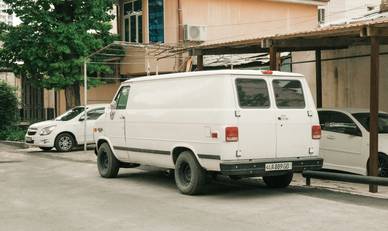
- Vans & Box Trucks: For deliveries, moving, or transporting employees.
- Specialty Vehicles: Food trucks, mobile pet grooming vans, service vehicles.
How you use the vehicle matters as much as what you drive. If you regularly transport goods, tools, employees, or clients as part of your business, Texas insurers will usually require business-use or commercial auto coverage—not just a personal policy with a business-use endorsement. For vehicles owned by a business entity (LLC, corporation), commercial auto insurance is almost always required.
Multi-Car or Family Policies with Business-Use Vehicles
In Texas, multi-car or family auto insurance policies can sometimes include both personal-use and business-use vehicles under one policy. However, there are strict limits:
- Business-use vehicles must be disclosed, and not all uses are allowed (e.g., delivery, rideshare).
- If your business-use is extensive (full-time delivery, transporting clients, or high annual mileage), most Texas insurers will require a separate commercial policy for that vehicle.
- Mixing business-use and personal-use vehicles may affect your eligibility for the multi-car discount and can limit your ability to stack other discounts.
Example: A family in Austin insures three cars. One is used for daily commuting, another for family errands, and the third for a part-time cleaning business. The first two can remain on a personal policy; the business-use car may need a separate or endorsed policy. Always clarify use—misreporting can result in denied claims.
Common Exclusions & Pitfalls in Texas Business Auto Insurance
- Intentional or criminal acts (e.g., using the vehicle for illegal deliveries)
- Unlisted drivers or employees not disclosed to the insurer
- Certain cargo types—hazardous materials or high-value goods may require special coverage
- Using a personal vehicle for business when only personal coverage is in force
- Failing to update your insurer if business use increases (e.g., side gig becomes full-time)
Required Documentation for Texas Business-Use Policies
- Business license or proof of business activity (LLC, sole proprietor, or gig platform account)
- Vehicle registration (company or personal name)
- Full list of drivers who will operate the vehicle(s)
- Proof of business use: contracts, delivery agreements, proof of equipment/tools regularly transported
For gig workers, you may need to provide evidence of platform participation (Uber, DoorDash) or earnings statements. Families using a vehicle for both personal and business should clarify and document who drives, how often, and for what purposes. Keep your documentation updated annually or whenever your business changes.
Texas-Specific Regulations for Business & Commercial Vehicles
- Minimum Liability Coverage: Texas law requires higher minimums for many commercial vehicles—often $500,000 or more depending on vehicle type and use. See Texas Insurance Laws.
- State Filings (SR-22): Some business uses—such as vehicles owned by high-risk drivers—may require a special SR-22 filing for proof of insurance compliance.
- Texas Department of Insurance (TDI) Rules: Insurers must clearly disclose what is and isn’t covered for business use, and policies must comply with TDI standards for commercial auto insurance.
Costs & Comparing Quotes for Texas Business-Use Auto Insurance
- Pricing Factors: Vehicle type, value, and use; annual mileage; driving records; business type; coverage limits; number of drivers; city/region.
- Typical Costs: Small business auto insurance in Texas can range from $900–$2,500/year per vehicle. Delivery drivers and gig workers may pay $800–$1,500/year for a part-time delivery endorsement. Full commercial policies for fleets or high-risk vehicles may exceed $3,000/vehicle/year.
- Household Policies: Families with both personal and business vehicles may see discounts for multi-car, but business-use vehicles are often rated separately or excluded from certain savings.
To compare quotes, gather all relevant details (business type, vehicle info, driver list), request quotes from at least three Texas insurers, and ask about business-use endorsements, exclusions, and discount eligibility. Use our Compare Providers page and review possible Coverage Add-Ons for Texas businesses.
Practical Texas Business-Use Insurance Examples
A San Antonio plumber owns two vans registered to their LLC. Because the vans are used daily for client visits, tool transport, and employee driving, a full commercial auto policy is required. The owner provides business license, driver list, and vehicle registrations to the insurer. Multi-vehicle discounts may apply, but only for vehicles on the same commercial policy.
A Dallas driver delivers for DoorDash using their own car after work. Their standard personal policy does not cover accidents during delivery. The driver adds a delivery endorsement for part-time use—or, if driving full-time, switches to a commercial policy. They provide proof of gig work and update the insurer if their driving habits change.
A Houston family insures three cars: one for personal use, one for a parent’s part-time consulting (with business-use endorsement), and one used for a catering business (requires commercial policy). They must keep detailed records and ensure each vehicle is rated for its primary use. Only the personal and consulting vehicles qualify for multi-car discounts.