Texas Multi-Car vs. Multi-Policy Discounts: Which Is Best for You?
Shopping for car insurance in Texas? Understanding the difference between multi-car discounts and multi-policy (bundling) discounts can make a big impact on your bottom line. This in-depth guide compares both options, explains how they work in Texas, and shows you how to maximize savings—whether you're a family, homeowner, renter, or roommates sharing a policy.
What Is a Multi-Car Discount?
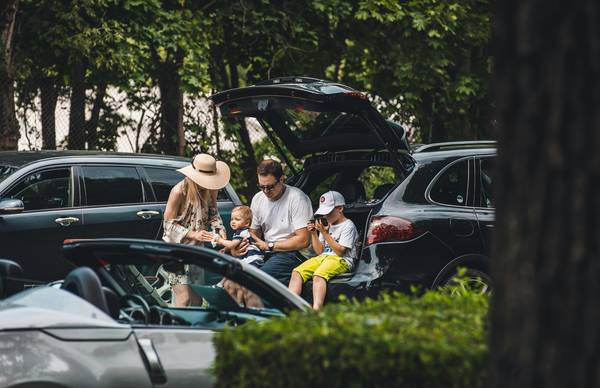
A multi-car discount is a price break offered by Texas auto insurers when you insure two or more vehicles on the same policy at the same address. It's especially popular for families, couples, and even roommates sharing a home. Typical savings range from 10–25% per vehicle, and the more cars you add, the bigger your total discount. To qualify, all vehicles must be primarily garaged at the same Texas address, and drivers usually need to be related, cohabiting, or both listed as named insureds.
- Great for families with multiple cars, parents with teens, multi-generational homes, or roommates.
- Vehicles must be personal-use (not business) and usually registered to household members.
- Some insurers allow roommates or unmarried partners; others are stricter—always check eligibility.
What Is a Multi-Policy (Bundling) Discount?
A multi-policy discount (also called "bundling") is a savings incentive for Texas policyholders who buy two or more types of insurance from the same provider—most often auto plus home, renters, condo, or even life or umbrella insurance. Bundling is especially attractive for homeowners and renters, and can save you 10–25% on each policy depending on the insurer and bundle type.
- Best for Texas homeowners, renters, and condo owners with cars and a property policy.
- Policies must be with the same insurer and in the same name/address.
- Bundling can include auto + home, auto + renters, auto + condo, sometimes auto + motorcycle/boat/life.
Comparing Multi-Car and Multi-Policy Discounts in Texas
Both multi-car and multi-policy discounts offer significant savings, but they work differently and can sometimes be combined for even greater value. Here’s a side-by-side comparison of their main features and how they stack up for Texas drivers:
- Stacking: Most Texas insurers allow you to combine both discounts for maximum savings if you meet both sets of requirements.
- Provider Rules: Always verify stacking and eligibility rules—some insurers offer more generous combinations than others.
Real-World Examples & Savings Breakdown
See how Texas families, roommates, and homeowners can maximize their auto insurance savings using multi-car, multi-policy, or both discounts. Each scenario includes a sample breakdown of potential savings:
- Scenario 1: Family with 3 Cars (Dallas Suburb)
The Smiths insure three cars at one address. Each car is $1,100/year solo. With a 15% multi-car discount, each car drops to $935/year—total annual savings = $495. If they bundle with home insurance (10% auto + 15% home savings), their auto drops to $841.50/car, and they save another $270/year on their home policy. - Scenario 2: Roommates with 2 Cars (Austin Apartment)
Two unrelated roommates each own a car. If the insurer allows non-family policies, they combine for a 10% multi-car discount. If not, each pays for their own policy. No bundling unless they share renters insurance (rare). - Scenario 3: Homeowner with 2 Cars + Home Insurance (Houston)
Maria bundles auto and home for a 20% auto discount and 15% home discount. Her two cars ($950 each) drop to $760, and her $1,600 home policy drops to $1,360. If both cars are on the same policy, she gets multi-car and bundling—total auto savings can exceed 25%. - Scenario 4: Renters with 1 Car Each (San Antonio)
Two friends each have separate car policies and renters insurance. If their insurer allows, they bundle their own auto + renters for 10% off each. If not, they shop for an insurer with flexible bundles. No multi-car unless they share a car or combine policies as roommates.
Pros and Cons of Multi-Car & Multi-Policy Discounts in Texas
- Significant savings for households with 2+ vehicles
- Easy to manage (one policy, one renewal)
- Can be stacked with other discounts (safe driver, bundling)
- Flexible for families, roommates, multi-gen homes (with eligible insurers)
- Streamlines claims and billing
- All drivers are rated together (high-risk driver can raise rates on all cars)
- Not all insurers allow roommates/unrelated drivers
- Business, leased, or out-of-state vehicles may not qualify
- Requires address/driver updates with any change
- Policy changes can affect all vehicles
- Major savings for homeowners, renters, or condo owners
- Convenient: one provider, one point of contact
- Can include a wide range of policy types (auto, home, renters, umbrella, etc.)
- Often includes enhanced customer loyalty perks
- Can stack with multi-car and other discounts
- Not all policies or combinations are eligible
- Bundling may not always be the cheapest (especially if one policy is overpriced)
- Can be less flexible if you want to shop each policy separately
- Renters may see smaller savings than homeowners
- Policy changes (like moving) may impact discounts
When to Choose Multi-Car, Multi-Policy, or Both?
The best discount depends on your situation and insurance needs. Here’s a quick guide to help you decide:
- Choose Multi-Car if: You have 2+ cars at the same address, especially if you do not own a home or don't want to bundle other policy types.
- Choose Multi-Policy (Bundling) if: You own a home, rent, or have other policies to bundle with auto. This is often the biggest total savings for homeowners.
- Choose Both if: You have multiple cars and a home/renters/other property policy—most Texas insurers allow you to stack both.
Common Mistakes & Tips for Maximizing Texas Discounts
- Forgetting to ask for both discounts: Some insurers won’t automatically apply both; always confirm.
- Assuming all discounts stack: Stacking rules vary—ask for specifics and get them in writing.
- Not updating your details after a move: Address changes may impact eligibility for both discounts. Learn more.
- Overlooking small policy types: Motorcycle, umbrella, or even life policies can sometimes be bundled for extra savings.
- Not shopping around: Some insurers offer much bigger discounts or more flexible stacking—use the Discount Finder Tool and Compare Providers.
Frequently Asked Questions: Multi-Car vs. Multi-Policy in Texas
Summary & Next Steps
Whether you’re a Texas family with multiple cars, a homeowner looking to bundle, or roommates seeking savings, understanding the difference between multi-car and multi-policy discounts is key. Most drivers benefit from stacking both for maximum value. Compare options, ask about stacking, and never settle for less than you deserve.
- Compare Providers for best discount stacking rules
- Find Your Maximum Discounts
- Review all Texas discounts and check eligibility after any address or policy change